
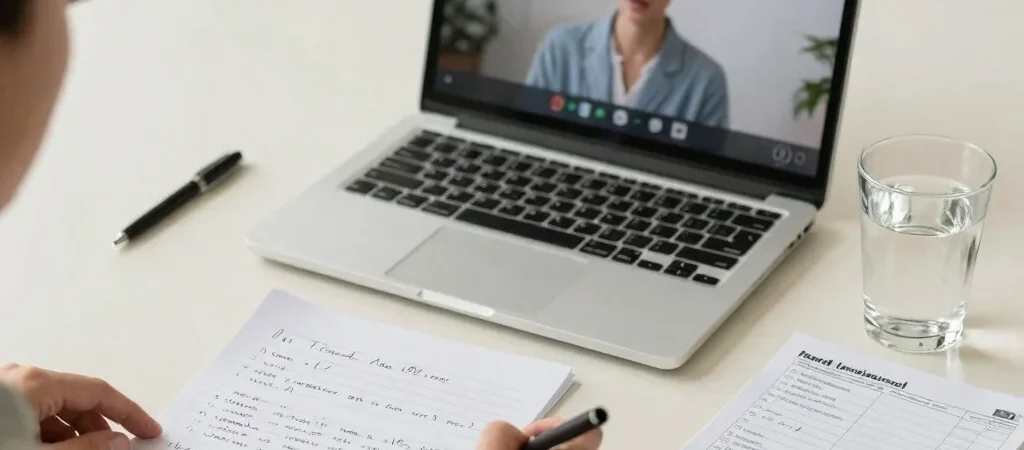
The appointment link is open, the camera works, and then the clinician asks, “What brings you in today?” If you’ve been carrying several concerns, it can be hard to choose where to start. A short note and a few practical checks can help keep a first cash-pay telehealth visit focused on what matters to you.
Check fit before booking
Before paying, confirm what kind of visit is offered, how long it lasts, what the fee includes, and how follow-up questions are handled. Ask whether labs, imaging, prescriptions, or referrals—if they’re relevant—are separate services or costs. Don’t assume a telehealth appointment can address every concern; ask the provider’s office whether your reason for seeking care is appropriate for the visit.
Telehealth rules and clinician availability can depend on where you are located during the appointment. Confirm that the clinician can see patients in your state, and check the service’s cancellation and payment policies before you book. The U.S. Department of Health and Human Services’ Telehealth resources for patients offers general information on preparing for remote care.
Bring a useful short list
Write down your main concern, when it began, what has changed, and the question you most want answered. Keep a current medication and supplement list nearby, including doses if you know them, along with relevant allergies and prior test results. You don’t need to tell the story perfectly; a few anchors can help you remember the details you meant to share.
If several issues are competing for attention, say so at the start and ask which can be addressed in this visit. That gives you and the clinician a chance to set a realistic plan rather than rushing through everything. Keep a pen or notes app open so you can capture next steps in your own words.
Set up the conversation
Choose a private place where you can speak freely, and test your connection and audio beforehand. If you want another person to join, ask how to include them and make sure you’re comfortable discussing your health in front of them. At the beginning, confirm how the clinician will reach you if the video connection drops.
Before signing off, repeat the plan back: what you’ll do next, who is responsible for each step, and when to follow up. Ask how to get help if your concern changes or you have a question later. A visit is more useful when you leave with a next step you can actually describe.